
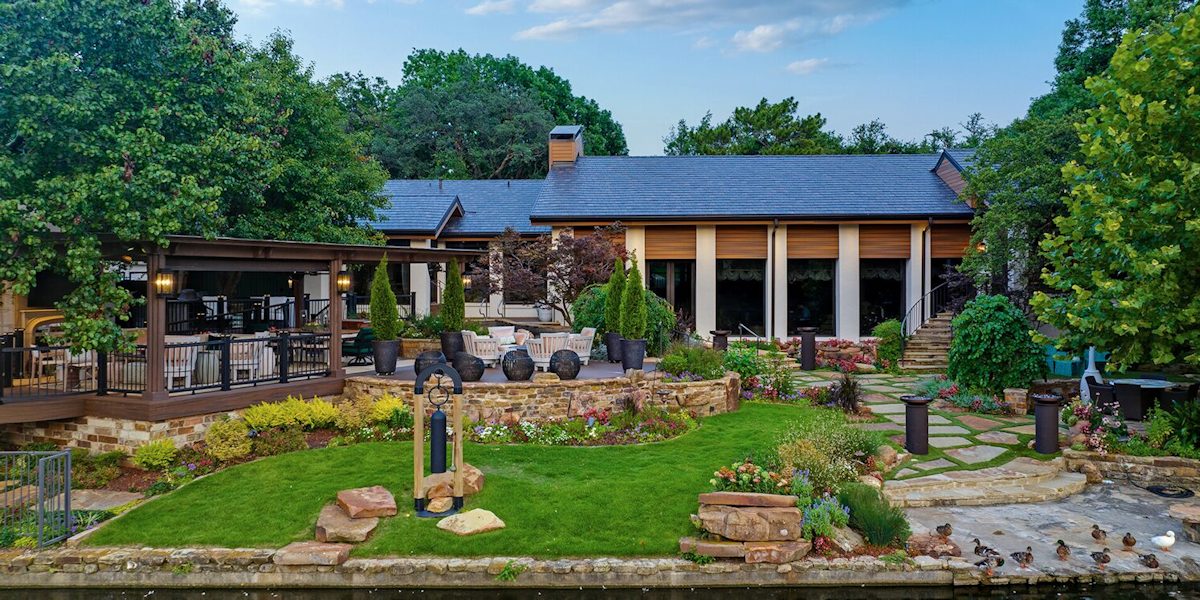
The Evolution Of Modern Landscape Design
Landscape design has undergone a stunning transformation over the years, evolving from simple gardens and trimmed lawns to a sophisticated art form that blends aesthetics, functionality, and environmental consciousness. Today, modern landscape design is not just about arranging plants and mowing grass; it’s a holistic approach to creating outdoor spaces that enhance the quality of life, promote sustainability, and reflect individual style.
Whether it’s a sleek urban courtyard, a sprawling suburban yard, or a cozy balcony garden, modern landscape design integrates natural elements with innovative technologies, eco-friendly practices, and thoughtful spatial planning. From incorporating native plants and drought-resistant vegetation to using smart irrigation systems and sustainable materials, this contemporary approach redefines how we interact with and appreciate outdoor spaces. Let’s delve into the key principles, features, and trends that make modern landscape design a perfect blend of art, science, and environmental stewardship.
Embracing Minimalism
Minimalism is at the core of modern landscape design. This style emphasizes clean lines, simple forms, and uncluttered spaces. Whether it’s a small urban garden or a large estate, the goal is to create an open and airy feel.
Using fewer plants but highly textural species like grasses or succulents can create focal points without overwhelming the space. Thoughtful placement of stones, water features, or sculptures adds both interest and tranquility
Sustainable Practice
Sustainability is paramount in modern landscaping. The use of native plants reduces water consumption and encourages local wildlife, such as bees and butterflies. Integrating rain gardens and permeable paving helps manage storm water runoff, reducing environmental impact.
Moreover, using recycled materials in landscaping adds an eco-friendly touch. From reclaimed wood for fencing to repurposed bricks for pathways, sustainability is seamlessly woven into the design.
Technological Integration
Technology has a significant role in shaping modern landscapes. Smart irrigation systems ensure efficient water use, while solar lighting enhances nighttime aesthetics without polluting the environment. Automated maintenance tools make it easier for homeowners to care for their gardens, keeping them lush and vibrant with minimal effort.
Outdoor Living Spaces
Modern landscape design extends living spaces outdoors, often transforming them into open-air lounges or kitchens. Comfortable seating areas, fire pits, and outdoor cooking facilities create an inviting environment for entertainment and relaxation.
Lighting design plays a crucial role here, ensuring these outdoor spaces are usable both day and night. Soft, ambient lighting creates a warm glow, while strategic spotlighting can highlight specific features like trees or sculptures.
Incorporation of Water Features
Water features are a staple in modern landscape design, adding movement and a calming sound. Whether it's a sleek, modern fountain or a naturalistic pond, water elements elevate the visual and auditory experience of a garden.
The Role of Color and Texture
In modern landscapes, color is used strategically. Neutral tones dominate, serving as a backdrop to pops of vibrant hues from seasonal flowers or decorative elements. Texture is equally important, often achieved through a mix of plant materials, stones, and architectural elements.
Modern landscape design beautifully blends aesthetics with functionality, sustainability, and technology. It focuses on creating spaces that are not only visually striking but also livable and environmentally conscious. By adopting these principles, homeowners can transform their surroundings into personal havens that reflect contemporary living and respect for nature.


